
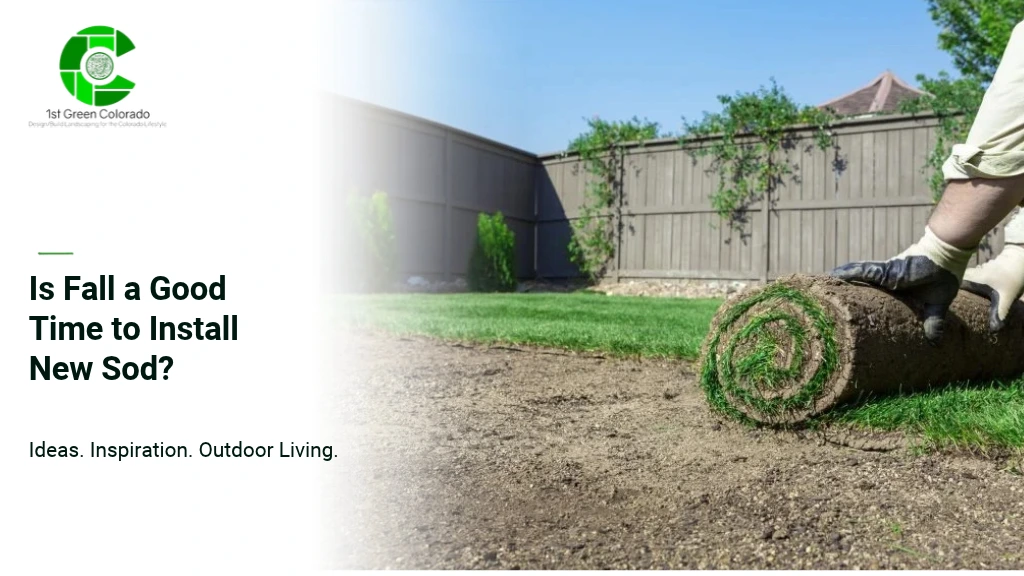
Thinking about giving your Colorado yard a fresh green lawn before winter? Fall might be a good time to do it, but the timing matters more than you might expect.
Cooler temperatures can make it easier for new sod to establish without the intense summer heat. The soil may also remain warm enough for roots to grow, giving the grass a chance to settle in before winter arrives.
However, Colorado’s weather can change quickly. Install sod too late in the season, and the roots may not have enough time to establish before the ground freezes.
So, is fall the best time to lay sod in Colorado? Let’s look at the advantages, the ideal planting window, and what to consider before scheduling your installation.
Key Takeaways
- Early fall can be an excellent time for sod installation in many parts of Colorado.
- Cooler air and warm soil can support root establishment without intense summer heat.
- September is generally a useful target for fall sod installation along the Front Range, though local conditions vary.
- Late-fall installation is possible, but new sod may have limited time to establish before winter.
- Newly installed sod still needs adequate moisture, including during dry winter periods when conditions allow watering.
Why is Fall a Good Time to Lay Sod in Colorado?
Colorado’s summers can be hot and dry, making it challenging for newly installed sod to establish. Fall offers a different set of conditions that can work in your favor.
1. Cooler Temperatures Reduce Heat Stress
New sod needs time to develop roots that connect it to the soil beneath. During hot summer weather, the grass can lose moisture quickly, making establishment more challenging.
Fall’s cooler temperatures generally reduce heat stress and slow moisture loss. This can give new sod a more favorable environment as it begins to root.
Imagine installing sod during a hot July afternoon. The grass is exposed to intense sunlight while its roots are still adjusting to the new soil. With early fall installation, milder daytime temperatures can make the transition less stressful.
2. Soil Can Still Be Warm Enough for Root Growth
Here’s why fall sod installation can work so well: air temperatures may be cooling, but the soil can retain warmth from summer.
That warmth can support root development while the grass experiences less heat stress above ground.
The important distinction is that sod needs time to establish, not simply time to turn green. Grass that looks healthy on the surface may still have weak connections to the soil beneath it.
Planting early enough in fall gives roots a better opportunity to establish before colder weather slows growth.
3. You Can Avoid the Peak Summer Heat
Installing sod during Colorado’s hottest weeks can put additional pressure on a new lawn. High temperatures, dry air, and strong sunshine can make it harder to maintain suitable moisture levels during establishment.
Fall offers a potentially more comfortable window for both the grass and the installation process.
However, cooler weather doesn’t mean watering becomes unnecessary. Newly installed sod still needs enough moisture to prevent the roots and underlying soil from drying out.
When to Lay Sod in Colorado
If you’re wondering when to lay sod, early fall is often a good starting point for Colorado properties, particularly along the Front Range.
September is generally a useful target, although the ideal timing depends on your location, grass variety, and the weather in a given year.
Colorado State University Extension notes that sod can be planted as long as the soil isn’t frozen. It also cautions that sod planted late in fall has less time to develop roots and may require winter watering.
Here’s a general guide to the seasons:
| Season | What to expect |
| Spring | A good option when the soil is workable and conditions support establishment. |
| Early fall | Often favorable because temperatures are cooler while the soil can remain warm. |
| Late fall | Possible, but the sod may have limited time to root before winter. |
| Summer | Installation is possible, but heat and moisture stress can make establishment more challenging. |
| Winter | Frozen ground makes installation unsuitable. |
These are general guidelines, not fixed dates for every property. Higher-elevation areas may experience freezing conditions earlier than lower-elevation locations.
For more detailed guidance, read Colorado State University Extension’s information on fall sod planting.
Ready to Plan Your Colorado Landscape?
Tell us about your yard and how you want to use it. Our team will design a landscape that fits your space and Colorado’s climate.
Start Your Project Call (303) 926-7260Can You Lay Sod in the Fall?
Yes, you can lay sod in the fall. In fact, early fall can be one of the most favorable times to establish a cool-season lawn in Colorado.
But there’s an important difference between laying sod in September and installing it shortly before the ground freezes.
Sod needs good contact with the soil beneath it so the roots can grow into the ground. If temperatures drop before that happens, the grass may enter winter without a well-established root system.
This doesn’t automatically mean late-fall sod will fail. Sod can survive winter under suitable conditions, but the risk of poor establishment increases when installation happens too close to freezing weather.
Before scheduling your project, consider:
- Your location: Higher elevations and colder areas may have a shorter planting window.
- The grass variety: Different turfgrass types respond differently to Colorado’s seasonal conditions.
- The forecast: An early cold snap can shorten the time available for root establishment.
- The condition of the soil: The ground needs to be workable and not frozen.
If you’re already approaching late October, don’t assume the calendar alone determines whether installation is possible. Assess the local forecast and soil conditions before proceeding.
What are the Benefits of Laying Sod in Fall Instead of Spring?
Both spring and fall can be suitable seasons for sod installation. The better choice depends on your project and the conditions in your area.
Fall has a few advantages worth considering.
More Comfortable Temperatures During Installation
Cooler weather can make fall installation easier than working through intense summer heat. It can also reduce the rate at which newly installed sod loses moisture.
A Chance to Establish Before Next Summer
When sod is installed early enough in fall, its roots may begin establishing before winter. This can give the lawn a head start before the next growing season.
However, fall-installed sod may not be as established by winter as sod installed earlier in the year.
A Fresh Lawn Without Waiting for Spring
If you’re finishing a landscape project in late summer or early fall, sod can help create an immediate green surface rather than leaving the area bare until the following spring.
This can be especially useful when sod is part of a larger outdoor design involving patios, planting beds, or other landscape features.
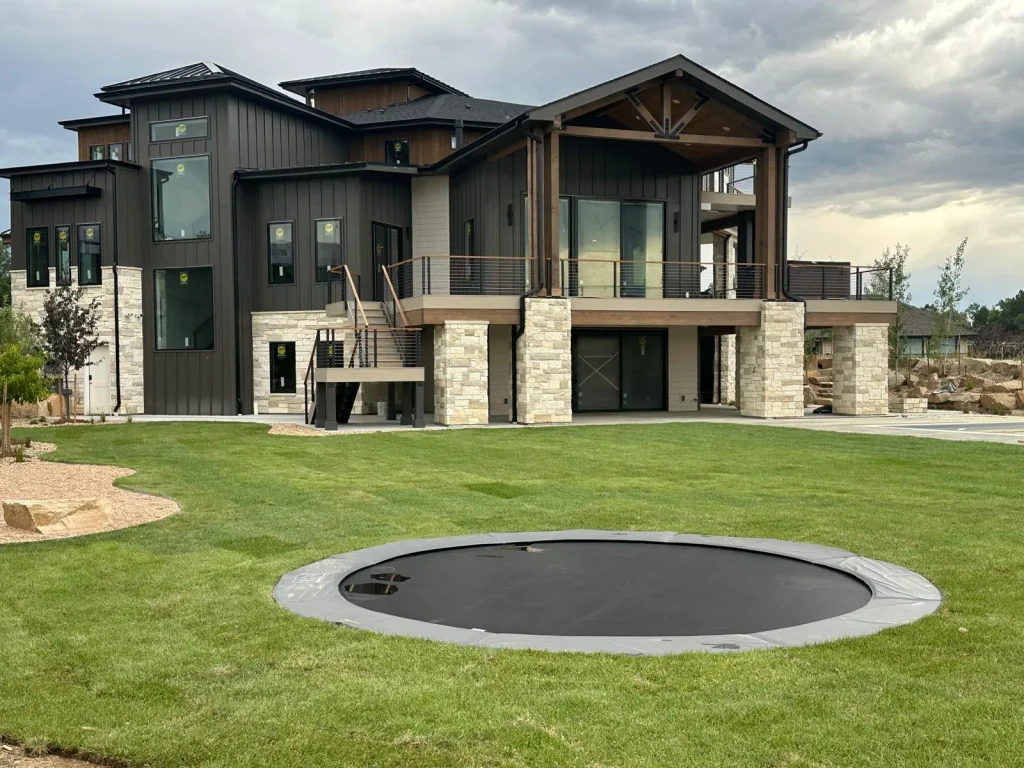
You can explore our residential landscape design and installation services if you’re planning to incorporate a new lawn into a broader Colorado landscape project.
What Should You Consider Before Fall Sod Installation?
Choosing the right season is important, but the installation conditions matter just as much.
Make Sure the Sod Has Good Soil Contact
Sod needs close contact with the soil beneath it for roots to grow into the ground. Uneven contact can leave air pockets that interfere with establishment.
The underlying surface should be prepared appropriately before the sod is laid. Simply placing new sod over existing grass or heavily compacted soil can prevent it from rooting properly.
Check the Weather Before Scheduling
Colorado weather can shift from mild afternoons to freezing nights quickly during fall.
If a hard freeze is approaching, the window for successful establishment may be too short. A professional can help assess whether the conditions are still suitable for installation.
Plan for Watering After Installation
New sod needs consistent access to moisture while its roots establish. Fall rain and cooler weather may reduce water loss, but they don’t guarantee that the sod will receive enough moisture.
This becomes particularly important during dry Colorado winters. Late-fall sod may need supplemental winter watering when the soil is thawed and conditions allow water to soak in without pooling or freezing on the surface.
Avoid assuming that snow alone will provide sufficient moisture throughout winter.
Is it Too Late to Lay Sod in Colorado This Fall?
The answer depends on where you live and how close you are to freezing conditions.
If you’re planning an early-fall installation, the combination of cooler temperatures and soil that remains warm can be favorable.
As fall progresses, however, the available time for root establishment becomes shorter. An installation that may be reasonable in early September could be much riskier in late October, especially at higher elevations.
If you’re considering sod late in the season, look at the expected temperatures, soil conditions, and time remaining before the ground freezes.
You may still be able to install sod, but you’ll need realistic expectations. The lawn may not establish fully before winter, and supplemental winter watering may be necessary.
If the ground is frozen or a hard freeze is imminent, postponing installation until a more suitable window may be the better decision.
Conclusion
So, is fall a good time to install new sod? In many parts of Colorado, yes. Early fall offers cooler temperatures and soil that may remain warm enough to support root development.
The key is to give the sod enough time to establish before winter. September is a useful target for many Front Range properties, while late-fall installation requires more careful consideration of local weather and soil conditions.
If you’re planning a new lawn, assess your property’s location, choose a suitable grass variety, and schedule installation while conditions are still favorable.
Explore our residential landscaping services to discuss how a new lawn can fit into your overall outdoor space.
Frequently Asked Questions
What is the best time to lay sod in Colorado?
Early fall, particularly September in many Front Range locations, can be an excellent time to lay sod. Cooler temperatures and warm soil can support root establishment. Spring is another good option, depending on your location, grass variety, and weather conditions.
Can you lay sod in the fall?
Yes. Fall sod installation can work well when the soil is unfrozen and temperatures allow roots to establish. However, sod installed late in the season has less time to root before winter and may need supplemental watering during dry winter periods.
When is it too late to lay sod in Colorado?
There isn’t one statewide cutoff date. Installation becomes riskier as freezing temperatures approach and the soil begins to freeze. Higher-elevation properties may have shorter planting windows. Check local conditions before deciding whether to install sod or wait until spring.
Does new sod survive Colorado winters?
It can, provided the sod is installed under suitable conditions and receives enough moisture. However, late-fall sod may have a limited root system before winter. Dry winter weather can also cause the sod and underlying soil to lose moisture.
Does fall sod need watering during winter?
It may. If precipitation is limited, fall-installed sod can need supplemental winter watering when the ground is thawed and water can soak into the soil. Water only when conditions allow it, and avoid creating puddles or ice on the lawn.
Is fall better than spring for sod installation?
Neither season is always better. Early fall can offer favorable temperatures and warm soil, while spring provides another opportunity for establishment. In Colorado, the best choice depends on the grass variety, elevation, soil conditions, and how much time remains before freezing weather.